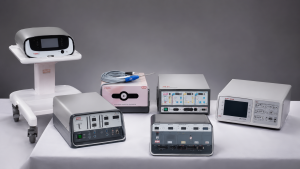
Modern surgery increasingly relies on advanced technologies that help surgeons perform procedures with greater precision and control. An ultrasonic surgical system is one such technology, using high-frequency mechanical vibrations to cut, dissect, coagulate, or fragment tissue depending on the device design and intended application.
Unlike conventional surgical instruments that rely primarily on mechanical cutting or electrical energy, ultrasonic devices use an oscillating tip to interact with tissue. Different systems are designed for different procedures, so their capabilities and indications depend on the specific device.
What Is an Ultrasonic Surgical System?
An ultrasonic surgical system is a medical device that converts electrical energy into mechanical vibrations. These vibrations are transferred to a surgical instrument or tip, which interacts with tissue.
Some ultrasonic surgical instruments are designed to cut and coagulate soft tissue, while ultrasonic aspirator systems can fragment or emulsify tissue and remove it through aspiration. The FDA classifies various ultrasonic surgical instruments under specific medical-device categories depending on their design and intended use.
How Does an Ultrasonic Surgical System Work?
The system generally consists of several key components:
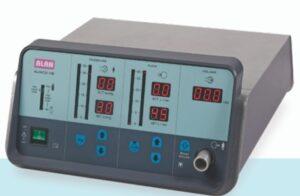
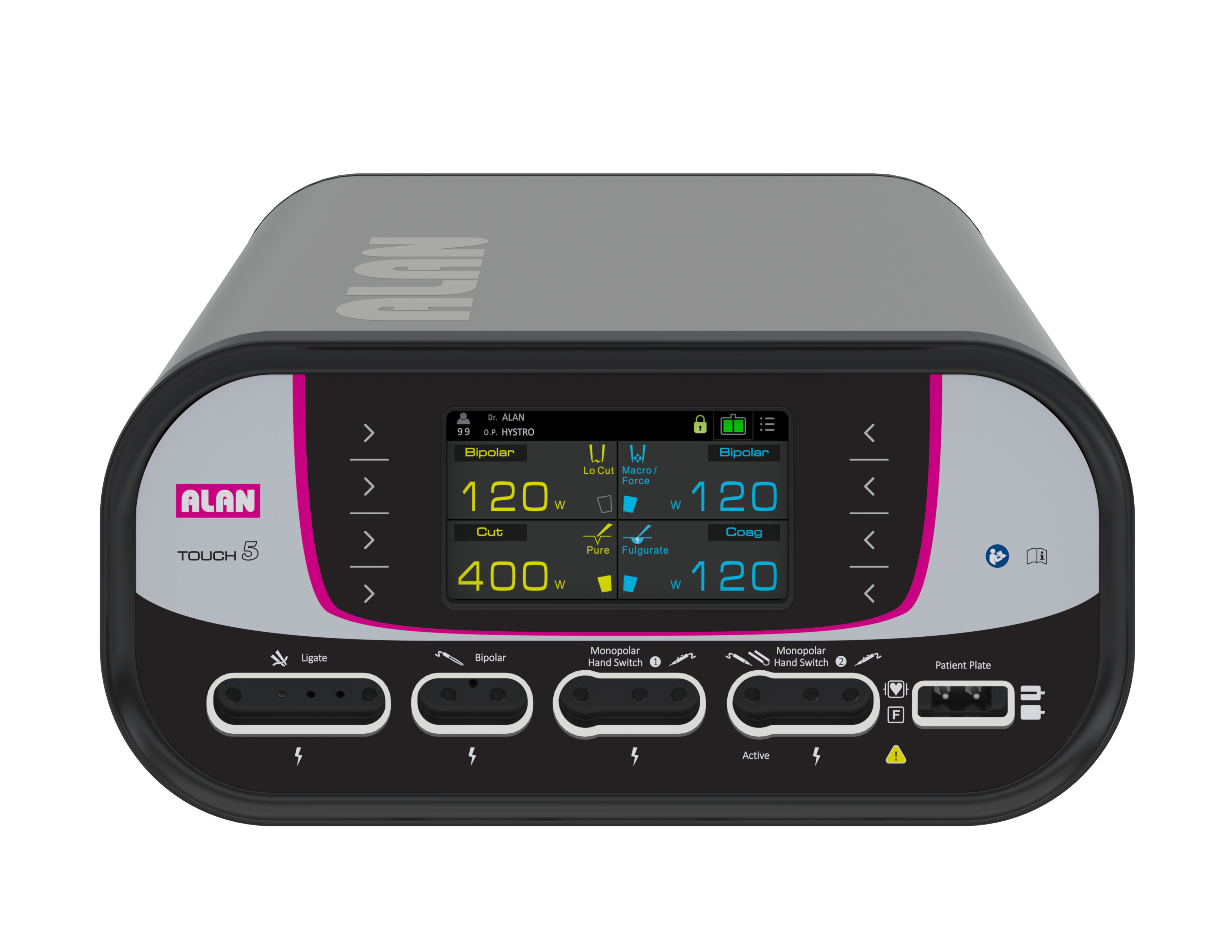
- Ultrasonic generator or console
- Handpiece
- Ultrasonic surgical blade, tip, or probe
- Foot switch or hand activation controls
- Irrigation or aspiration components in applicable systems
The generator supplies electrical energy to the handpiece. A transducer converts this energy into mechanical vibration, which causes the surgical tip to oscillate rapidly.
Depending on the device, this mechanical energy can produce localized tissue effects such as cutting, coagulation, fragmentation, or emulsification. Some systems also incorporate irrigation and suction to help remove fragmented tissue.
Key Functions of Ultrasonic Surgical Systems
1. Tissue Cutting
Certain ultrasonic instruments are designed to divide soft tissue with controlled mechanical vibration.
2. Tissue Dissection
Ultrasonic technology can assist surgeons in separating or dissecting tissue during appropriate surgical procedures.
3. Coagulation
Some ultrasonic surgical systems can simultaneously help control bleeding while dividing tissue. FDA documentation describes ultrasonic surgical devices intended for tissue transection, dissection, and coagulation in specific procedures.
4. Tissue Fragmentation and Aspiration
Ultrasonic surgical aspirators use an oscillating tip to fragment or emulsify tissue. Some systems then use suction to remove the fragmented material.
Applications in Modern Surgery
Ultrasonic energy has been used across several surgical specialties. Published literature describes applications involving general surgery, gynecology, colorectal surgery, thoracic surgery, breast surgery, and bariatric procedures.
Depending on the specific device and its approved indications, ultrasonic technology may be used in:
- General surgery
- Laparoscopic procedures
- Gynecological surgery
- Thoracic surgery
- Plastic surgery
- Neurosurgical procedures
- Ophthalmic procedures
- Orthopedic applications
- Tissue fragmentation and aspiration
Not every ultrasonic surgical system is suitable for every application. Surgeons should use a device only according to its approved indications, labeling, and institutional protocols.
Benefits of Ultrasonic Surgical Technology
Ultrasonic surgical systems can provide several potential advantages when appropriately selected and used by trained surgical professionals.
Precise Tissue Dissection
The controlled movement of an ultrasonic tip can help surgeons perform tissue dissection in situations where precision is important.
Cutting and Hemostasis
Some devices combine tissue division with coagulation, allowing surgeons to perform two functions with a single instrument. The FDA notes that ultrasonic surgical devices can provide both tissue division and hemostasis.
Potentially Reduced Thermal Spread
Certain ultrasonic devices are designed to achieve the desired tissue effect while limiting thermal injury to surrounding tissue. However, the amount of thermal effect varies according to the device, power settings, activation time, tissue characteristics, and surgical technique.
Improved Surgical Workflow
When a device can perform cutting and coagulation functions, it may reduce the need to switch repeatedly between different instruments during appropriate procedures.
Ultrasonic Surgical System vs. Traditional Surgical Instruments
Traditional scalpels mechanically cut tissue, while electrosurgical devices use electrical energy to cut or coagulate tissue. Ultrasonic systems use mechanical vibration.
The appropriate technology depends on the procedure, tissue characteristics, surgeon preference, patient factors, and device indications. Ultrasonic energy is not universally better than other surgical technologies; rather, it provides another option for selected surgical applications.
Ultrasonic Surgical Aspirators
Ultrasonic surgical aspirators are a specialized category of ultrasonic technology. Instead of primarily functioning as a cutting and coagulation instrument, these systems can fragment or emulsify tissue and remove it through aspiration.
They can be used in different surgical specialties, including procedures involving tissue debulking. Because tissue fragmentation and aspiration can carry specific safety considerations, the FDA provides labeling recommendations for certain ultrasonic surgical aspirator devices.
Important Safety Considerations
Ultrasonic surgical systems should only be operated by appropriately trained healthcare professionals. Safe use requires following the manufacturer’s instructions, approved indications, maintenance requirements, and hospital protocols.
Important considerations include:
- Selecting the appropriate instrument for the procedure
- Using the recommended power settings
- Monitoring tissue response
- Following sterilization or single-use requirements
- Inspecting equipment before use
- Understanding potential thermal effects
- Following manufacturer warnings and contraindications
- Using appropriate precautions with ultrasonic aspirator systems
For ultrasonic aspirators, the FDA has specifically highlighted the potential for tissue dissemination during tissue fragmentation and recommends appropriate safety information in product labeling.
Choosing the Right Ultrasonic Surgical System
Healthcare organizations evaluating an ultrasonic surgical system should consider:
- Clinical applications – Determine which procedures the system is designed to support.
- Device specifications – Review frequency, power settings, handpiece design, and available instruments.
- Precision and control – Consider the level of control required for the intended procedures.
- Safety features – Review alarms, temperature management, activation controls, and other safety mechanisms.
- Instrument compatibility – Check which handpieces, blades, tips, and accessories are available.
- Maintenance and service – Evaluate technical support, servicing, and replacement requirements.
- Regulatory status – Verify that the device is appropriately authorized or registered for its intended use in the relevant market.
The Future of Ultrasonic Surgical Technology
Ultrasonic technology continues to be an important part of modern surgical energy platforms. Research and development are focused on improving precision, energy delivery, tissue selectivity, ergonomics, and integration with minimally invasive surgical techniques.
As surgical technologies continue to advance, ultrasonic systems may become increasingly sophisticated while remaining focused on the same fundamental goals: controlled tissue manipulation, effective bleeding management, and efficient surgical workflow.
Conclusion
An ultrasonic surgical system is an advanced surgical technology that uses mechanical ultrasonic energy for applications such as tissue cutting, dissection, coagulation, fragmentation, and aspiration, depending on the system design.
When selected appropriately and used by trained professionals, ultrasonic technology can provide valuable capabilities in modern surgery. However, device performance, indications, benefits, and risks vary between systems, making proper training, regulatory compliance, and adherence to manufacturer instructions essential.
For hospitals and surgical centers, choosing the right ultrasonic surgical system requires careful evaluation of clinical requirements, device specifications, safety features, regulatory status, and long-term service support.