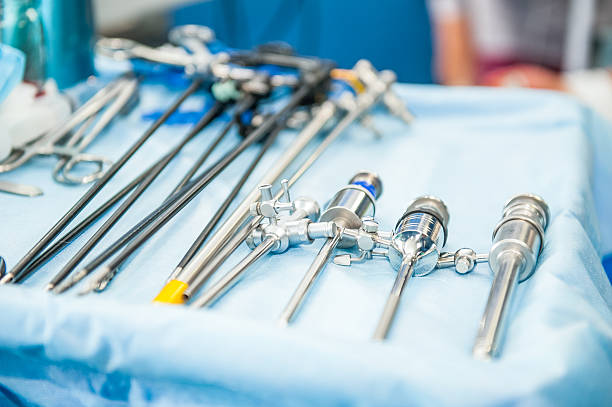
Choosing the right laparoscopic instruments is not simply about selecting a standard set. Instrument selection can vary based on the procedure type, surgical complexity, instrument function, and the surgeon’s preferred technique.
Biocare Medical Systems provides laparoscopic instruments and medical equipment solutions in Hyderabad for different clinical requirements. This guide explains the main factors that influence selection, with a comparison table and practical checklist to help healthcare professionals evaluate their options.
Laparoscopic Instrument Selection in Hyderabad: What Determines the Right Choice?
The right laparoscopic instrument depends mainly on the procedure, required function, surgical complexity, and compatibility with the overall setup.
| Type / Option | Key Characteristics | Best Fit For |
|---|---|---|
| Basic Laparoscopic Instruments | Essential grasping, dissecting, cutting, and holding functions | Routine laparoscopic procedures |
| Specialized Instruments | Designed for specific surgical tasks and techniques | Procedures requiring specialized manipulation |
| Advanced Laparoscopic Instruments | Greater functionality, precision, and ergonomic features | Complex or technically demanding procedures |
| Procedure-Specific Sets | Instruments selected around a particular surgical workflow | Hospitals and surgical teams with defined procedure requirements |
A simple way to understand the selection is to start with the basic instruments needed for the procedure and then add specialized or advanced instruments when the surgical technique requires them. The goal is not to choose the most advanced instrument, but to select equipment that supports the specific clinical requirement.
Why Do Two Laparoscopic Instrument Quotes in Hyderabad Look Different?
Different medical equipment providers may scope laparoscopic instruments differently. One supplier may offer an individual instrument, while another may recommend a complete set based on the procedure.
Common differences include:
- Bundling: Some suppliers offer instruments individually, while others group commonly used instruments into sets.
- Complexity tiers: Routine procedures may require basic instruments, while specialized procedures can require additional functions.
- Instrument specifications: Jaw design, shaft configuration, handle style, working length, and other features can affect the recommended selection.
- Add-ons: Accessories and procedure-specific instruments may be listed separately rather than being included in the primary selection.
Because of these differences, comparing only the number of instruments or the quoted package can give an incomplete picture. The more useful approach is to compare the clinical function, specifications, compatibility, and intended use.
Laparoscopic Instrument Types in Hyderabad: What Each Option Involves
Basic Laparoscopic Instruments
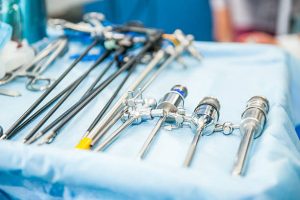
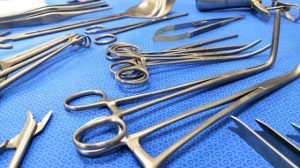
Basic laparoscopic instruments support essential surgical functions such as grasping, dissecting, cutting, and tissue manipulation. They are generally suitable for routine laparoscopic procedures where standard instrument functions are sufficient.
Specialized Laparoscopic Instruments
Specialized instruments are designed for particular surgical tasks or techniques. They may be appropriate when a procedure requires a specific type of tissue handling, dissection, retraction, or manipulation.
Advanced Laparoscopic Instruments
Advanced instruments can provide additional functionality, ergonomic features, or specialized designs for more demanding procedures. They may suit surgical teams that perform complex laparoscopic procedures and require more specific instrument capabilities.
Procedure-Specific Instrument Sets
Procedure-specific sets bring together instruments required for a particular surgical workflow. They can help hospitals organize equipment around defined procedures while reducing the need to select every instrument separately.
The option should fit the clinical case and surgical workflow, rather than being picked like a menu item. The correct selection depends on what the surgical team needs to accomplish safely and efficiently.
Laparoscopic Instrument Selection Checklist: Included vs Extra
| Often Included | Often Extra |
|---|---|
| Standard grasping instruments | Specialized graspers |
| Basic dissecting instruments | Procedure-specific instruments |
| Standard cutting instruments | Advanced instrument designs |
| Commonly required accessories | Additional accessories or specialty components |
The item that can shift the overall plan is the procedure-specific requirement. A routine laparoscopic setup may need only essential instruments, while a more complex procedure can require additional instrument types, specialized jaw configurations, or other components.
Biocare Medical Systems‘ factors affect laparoscopic instrument selection service page explains when this type of evaluation is recommended and why the key decision factor matters. Reviewing the clinical requirement before selecting equipment can help ensure that the final instrument configuration is appropriate for the intended procedure.
Still Looking for the Best Laparoscopic Instrument Selection in Hyderabad? Contact Biocare Medical Systems
Biocare Medical Systems supports healthcare providers in Hyderabad with medical equipment and laparoscopic instrument requirements. Its approach focuses on understanding the intended application before determining the appropriate equipment configuration.
A practical selection process can follow these steps:
Consult: Discuss the procedure, surgical requirements, and expected instrument functions.
Confirm scope: Identify the required instrument types, specifications, compatibility, and accessories.
Choose the option: Select basic, specialized, advanced, or procedure-specific instruments according to the clinical need.
Get the plan in writing: Confirm the selected instruments and relevant specifications before proceeding.
For laparoscopic instruments and medical equipment solutions in Hyderabad, contact Biocare Medical Systems at +91 99496 68339.