Surgical Diathermy Machines in Hyderabad: Features, Applications and Buying Guide
Surgical diathermy machines are essential equipment in modern operating theatres, supporting surgical procedures that require controlled cutting and coagulation of tissue. These systems use high-frequency electrical energy to perform specific surgical functions, helping surgeons work with precision according to the selected technique and equipment configuration.
For hospitals, surgical centres, and healthcare facilities looking for surgical diathermy machines in Hyderabad, choosing the right equipment involves evaluating power output, operating modes, safety features, accessories, and technical support.
With different electrosurgical systems available for various surgical applications, understanding their features and functionality can help healthcare professionals make informed purchasing decisions.
What Is a Surgical Diathermy Machine?
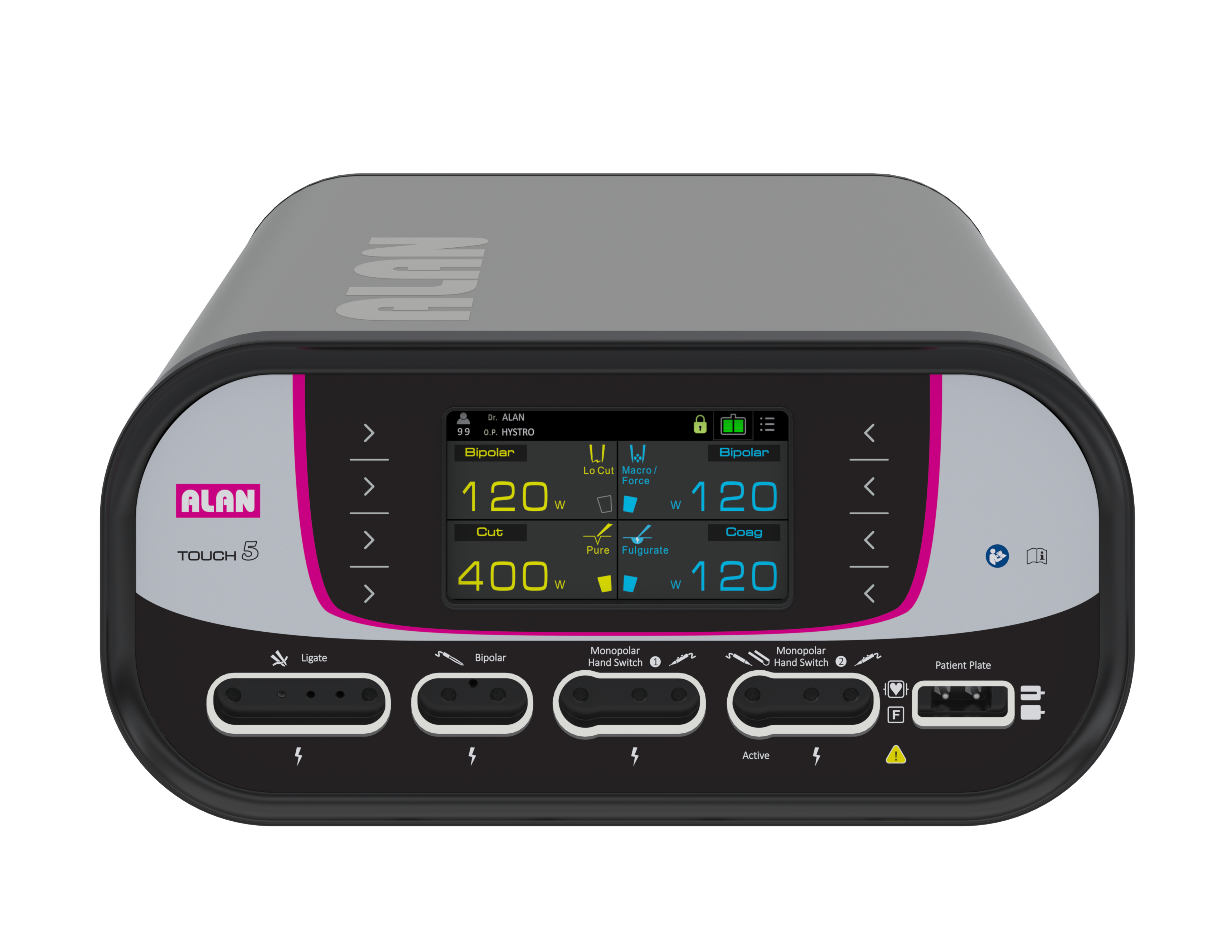
A surgical diathermy machine, also known as an electrosurgical unit (ESU), is a medical device that uses high-frequency electrical energy to produce tissue effects such as cutting and coagulation.
These machines are commonly used in operating theatres across various surgical specialties. Depending on the equipment model, they may offer different operating modes, output settings, and accessory configurations.
Modern electrosurgical systems are designed to provide controlled energy delivery for specific surgical applications while incorporating features intended to support safe operation.
How Does Surgical Diathermy Work?
Electrosurgical equipment generates high-frequency electrical current that passes through tissue to produce a desired surgical effect.
Depending on the selected mode, output settings, electrode, and tissue interaction, the system may be used for cutting tissue or coagulation.
The two commonly used electrosurgical configurations are monopolar and bipolar.
Monopolar Electrosurgery
In monopolar electrosurgery, electrical current travels from the active electrode through the patient’s body to a return electrode, completing the electrical circuit.
The surgeon uses an active electrode to apply energy to the target tissue. The return electrode provides the pathway for the current to return to the generator.
Monopolar systems are used across a variety of surgical procedures, depending on the equipment, accessories, and clinical requirements.
Bipolar Electrosurgery
Bipolar electrosurgery uses an instrument with two electrodes, allowing electrical current to pass between the instrument’s tips through the tissue being treated.
Unlike monopolar configurations, bipolar systems generally do not require a separate patient return electrode for the electrosurgical circuit.
Bipolar functionality can be useful for specific applications where controlled energy delivery between the instrument tips is required.
Common Operating Modes in Surgical Diathermy Machines
Different electrosurgical generators may provide several operating modes designed for different tissue effects and surgical requirements.
1. Cut Mode
Cut mode is used to produce tissue incision through the application of high-frequency electrical energy.
The output characteristics are designed to support the cutting effect, depending on the selected generator settings and electrode configuration.
2. Coagulation Mode
Coagulation mode is used to produce tissue effects intended to control bleeding through the application of electrosurgical energy.
Different coagulation settings may provide different output characteristics depending on the generator.
3. Blend Mode
Some electrosurgical generators offer blend modes that combine characteristics associated with cutting and coagulation.
The specific effect depends on the generator’s design, output waveform, selected setting, and application.
4. Bipolar Mode
Bipolar mode is used with compatible bipolar instruments. It allows energy to pass between the instrument’s two electrodes to produce the intended tissue effect.
Hospitals should verify the availability of each operating mode and its specifications before selecting a surgical diathermy machine.
Key Features to Consider When Purchasing a Surgical Diathermy Machine
Selecting a suitable electrosurgical generator requires evaluating the equipment according to the hospital’s surgical requirements and operating environment.
Power Output and Performance
Power output is an important consideration when comparing surgical diathermy machines.
Healthcare facilities should review the generator’s output specifications, available power ranges, and performance characteristics for the intended applications.
The equipment should be selected according to the surgical specialty, procedure requirements, and the recommendations of qualified medical professionals.
Monopolar and Bipolar Functionality
Hospitals may require equipment supporting monopolar, bipolar, or both operating configurations.
Before purchasing, check the available modes, compatible instruments, and accessory requirements to ensure the system meets the intended surgical applications.
Safety Features
Safety is an important factor when evaluating electrosurgical equipment.
Depending on the model, features may include patient return electrode monitoring, alarms, output monitoring, and other protective functions.
Healthcare facilities should review the equipment’s safety features and applicable documentation before procurement.
User Interface and Controls
An intuitive control panel can help operating theatre personnel access and adjust the available settings efficiently.
Consider features such as:
- Clearly displayed operating modes.
- Accessible power controls.
- Readable displays.
- Mode selection functionality.
- Alarm indications.
- Easy-to-understand control layout.
Accessories and Compatibility
Electrosurgical generators may require compatible electrodes, handpieces, foot switches, patient return electrodes, cables, and other accessories.
Before purchasing, hospitals should confirm which accessories are supplied, which are optional, and whether they are compatible with the intended equipment configuration.
Applications of Surgical Diathermy Machines in Hospitals
Electrosurgical equipment is used across several surgical specialties. The applications depend on the generator configuration, compatible instruments, and the clinical requirements of the procedure.
Common areas where electrosurgical systems may be used include:
- General surgery.
- Laparoscopic surgery.
- Gynaecological surgery.
- Urological procedures.
- ENT procedures.
- Selected specialty surgical applications.
Hospitals should select electrosurgical equipment based on the procedures performed at their facility and the requirements of their surgical teams.
Surgical Diathermy Machines in Hyderabad: What Hospitals Should Look For
Healthcare facilities searching for surgical diathermy machines in Hyderabad should consider more than the initial purchase price.
A suitable supplier should be able to provide relevant product information, technical specifications, and support details to help the hospital evaluate the equipment.
Product Documentation
Review the technical specifications, user manual, applicable regulatory documentation, warranty information, and details of the intended use.
Installation and Training
Ask about installation requirements, commissioning, user training, and any specific infrastructure requirements associated with the equipment.
After-Sales Service
Technical support and maintenance arrangements are important considerations when purchasing medical equipment.
Hospitals should understand warranty coverage, servicing arrangements, maintenance recommendations, and the availability of technical assistance.
Cost and Long-Term Value
Compare the equipment’s features, included accessories, service arrangements, maintenance requirements, and overall cost.
Evaluating these factors can help procurement teams make decisions based on long-term value rather than purchase price alone.
Surgical Diathermy Machines from Biocare Medical Systems
Biocare Medical Systems is a Hyderabad-based medical equipment company offering electrosurgical generators and surgical equipment for healthcare institutions.
Its electrosurgical product portfolio includes multiple equipment ranges designed for different operating requirements and configurations.
Hospitals and surgical centres can explore the available systems and review the relevant specifications when identifying equipment for their operating theatres.
When evaluating a surgical diathermy machine, healthcare professionals should consider the available operating modes, output specifications, compatible accessories, safety features, and the equipment’s intended application.
Biocare Medical Systems provides medical equipment solutions for healthcare facilities looking to evaluate electrosurgical technology and related surgical equipment.
Frequently Asked Questions
Conclusion
Surgical diathermy machines play an important role in modern operating theatres by providing electrosurgical cutting and coagulation capabilities across different surgical applications.
When selecting an electrosurgical generator, hospitals should evaluate power output, operating modes, safety features, instrument compatibility, documentation, maintenance requirements, and after-sales service.
Healthcare facilities looking for surgical diathermy machines in Hyderabad should work with medical equipment suppliers who can provide relevant product information and help them identify systems that meet their requirements.
Biocare Medical Systems offers electrosurgical equipment and medical technology solutions for hospitals and surgical centres.
Contact Biocare Medical Systems to enquire about surgical diathermy machines, available models, technical specifications, and equipment requirements for your healthcare facility.