Laparoscopic Instruments in Hyderabad: Equipment, Features and Applications
Laparoscopic surgery has become an important part of modern surgical practice, supporting minimally invasive approaches across several surgical specialties. It involves the use of specialised instruments, cameras, light sources, and other medical equipment that allow surgeons to perform procedures through small incisions.
For hospitals searching for laparoscopic instruments in Hyderabad, selecting the right equipment involves understanding instrument types, visualization systems, compatibility, durability, and the technical support available from medical equipment suppliers.
With advancements in surgical technology, healthcare facilities increasingly require dependable laparoscopic equipment that meets the requirements of their operating theatres and surgical teams.
What Are Laparoscopic Instruments?
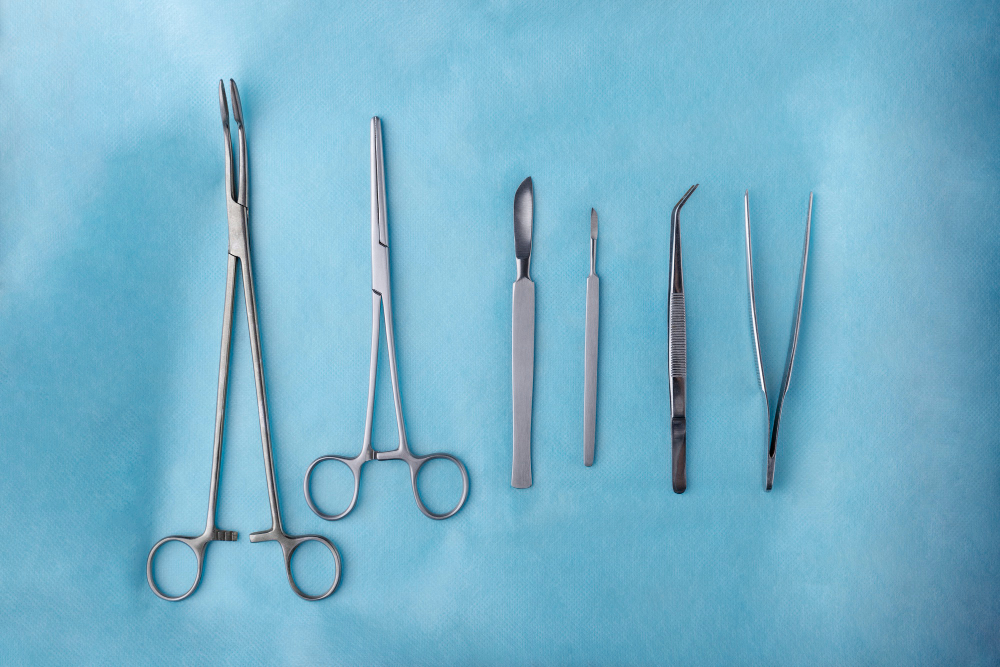
Laparoscopic instruments are specialised surgical tools used during minimally invasive procedures. They are designed to help surgeons perform different surgical tasks through small incisions while viewing the surgical area through a laparoscope and connected visualization system.
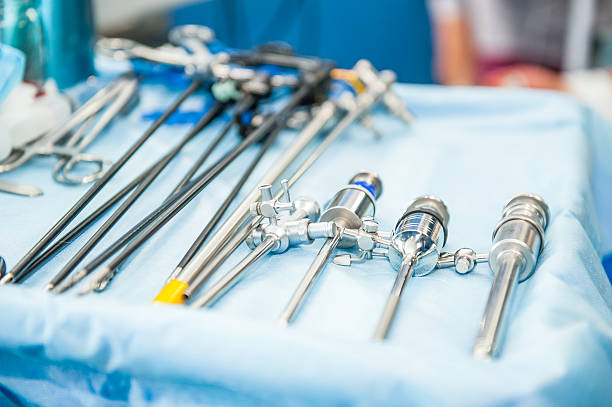
Unlike conventional open surgery, laparoscopic procedures typically use long, narrow instruments inserted through access ports. These instruments allow surgeons to manipulate tissues, perform dissection, grasp structures, and carry out other surgical tasks under visual guidance.
A laparoscopic setup generally includes instruments, telescopes, camera systems, light sources, insufflation equipment, and compatible accessories.
Types of Laparoscopic Instruments Used in Surgery
Different laparoscopic instruments are designed for specific functions during surgical procedures. Understanding their applications helps hospitals evaluate the equipment required for their surgical departments.
1. Laparoscopic Graspers
Graspers are used to hold, manipulate, retract, and position tissues during laparoscopic procedures.
Different graspers may feature varying jaw designs, sizes, and gripping characteristics depending on their intended application.
When selecting laparoscopic graspers, hospitals should consider instrument length, jaw configuration, ergonomics, material quality, and compatibility with the intended surgical setup.
2. Laparoscopic Scissors
Laparoscopic scissors are used for cutting tissue and other materials during minimally invasive procedures.
Different designs may be available for particular surgical requirements. Instrument selection depends on the intended use, surgical technique, and compatibility with the equipment being used.
3. Dissecting Instruments
Dissecting instruments are used to separate or manipulate tissue structures during surgical procedures.
Their design, tip configuration, shaft length, and handling characteristics may vary depending on the surgical application.
4. Needle Holders
Laparoscopic needle holders are designed to hold and manipulate surgical needles during suturing procedures performed through laparoscopic access.
The instrument’s jaw design, grip, rotation mechanism, and handling characteristics are important considerations when selecting suitable needle holders.
5. Laparoscopic Trocars and Cannulas
Trocars and cannulas are used to establish access pathways through the abdominal wall for laparoscopic instruments and visualization equipment.
Different sizes and configurations are available depending on the intended application and surgical setup.
Hospitals should evaluate the dimensions, compatibility, design, and relevant specifications when selecting access devices.
Essential Equipment Used in Laparoscopic Surgery
Laparoscopic procedures require several interconnected equipment components that support visualization, access, and surgical functionality.
Laparoscopic Camera Systems
Laparoscopic camera systems provide visualization of the surgical area during minimally invasive procedures.
These systems typically include a camera head, compatible telescope, image processing components, and a display monitor.
When selecting a laparoscopic camera system, healthcare facilities should evaluate:
- Image quality and resolution.
- Camera compatibility.
- Display connectivity.
- Available imaging features.
- Ease of integration with existing equipment.
- Technical support and maintenance requirements.
LED Light Sources
A medical light source delivers illumination through a compatible light cable and telescope to help visualize the surgical area.
LED light sources are commonly considered for medical visualization systems because of their lighting performance and equipment design.
Hospitals should evaluate illumination characteristics, compatibility, connectivity, operational requirements, and manufacturer specifications when selecting a light source.
CO₂ Insufflators
CO₂ insufflators are used to introduce carbon dioxide into the body cavity during laparoscopic procedures, creating the working space required for surgical access and visualization.
Important features to evaluate include:
- Flow-rate capabilities.
- Pressure control.
- Display and monitoring functions.
- Alarm and safety features.
- Gas connection requirements.
- Compatibility with the intended laparoscopic setup.
The appropriate equipment should be selected according to the procedure requirements and the manufacturer’s specifications.
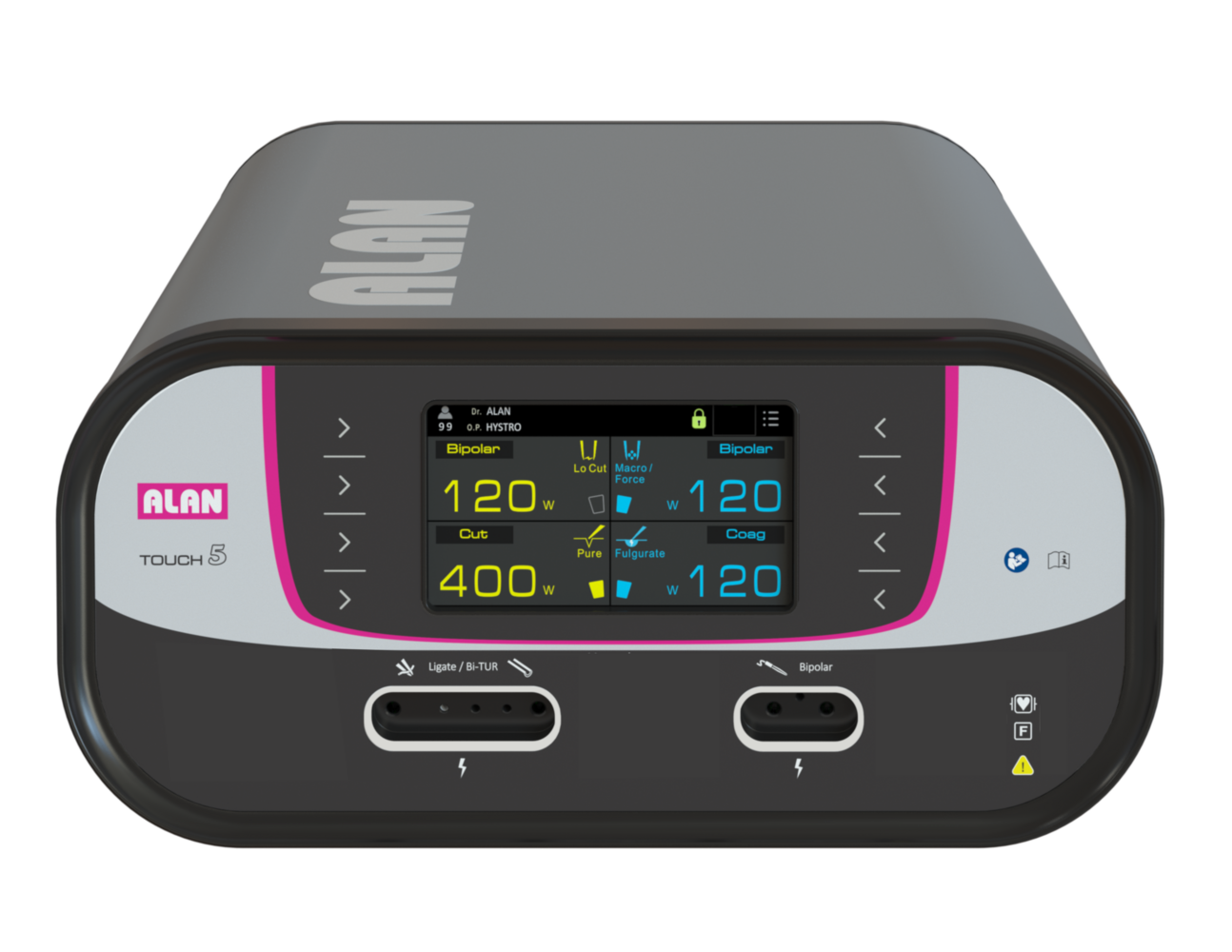
Electrosurgical Generators
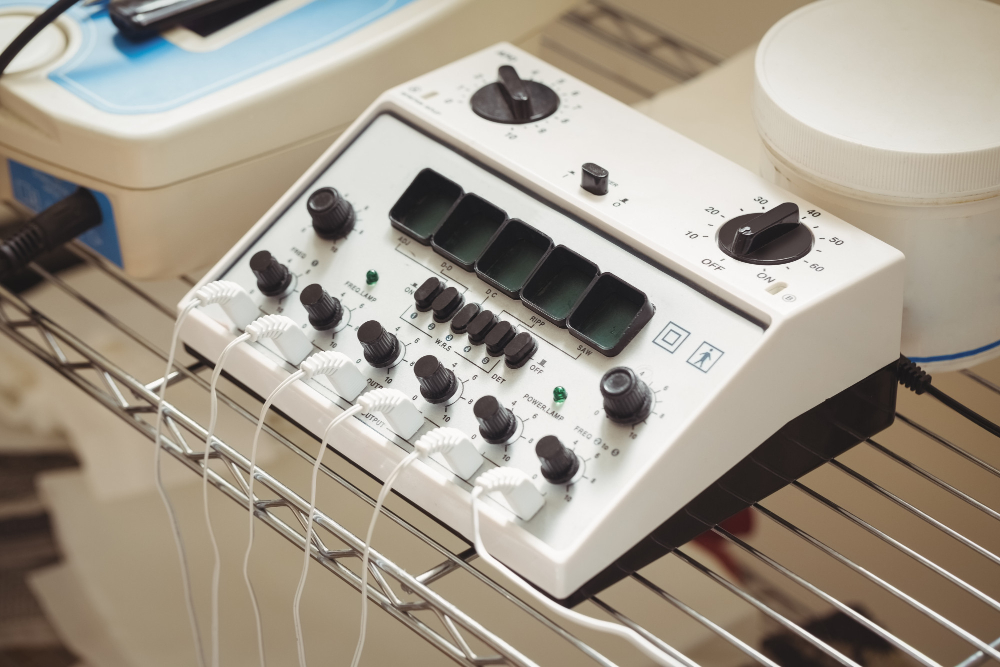
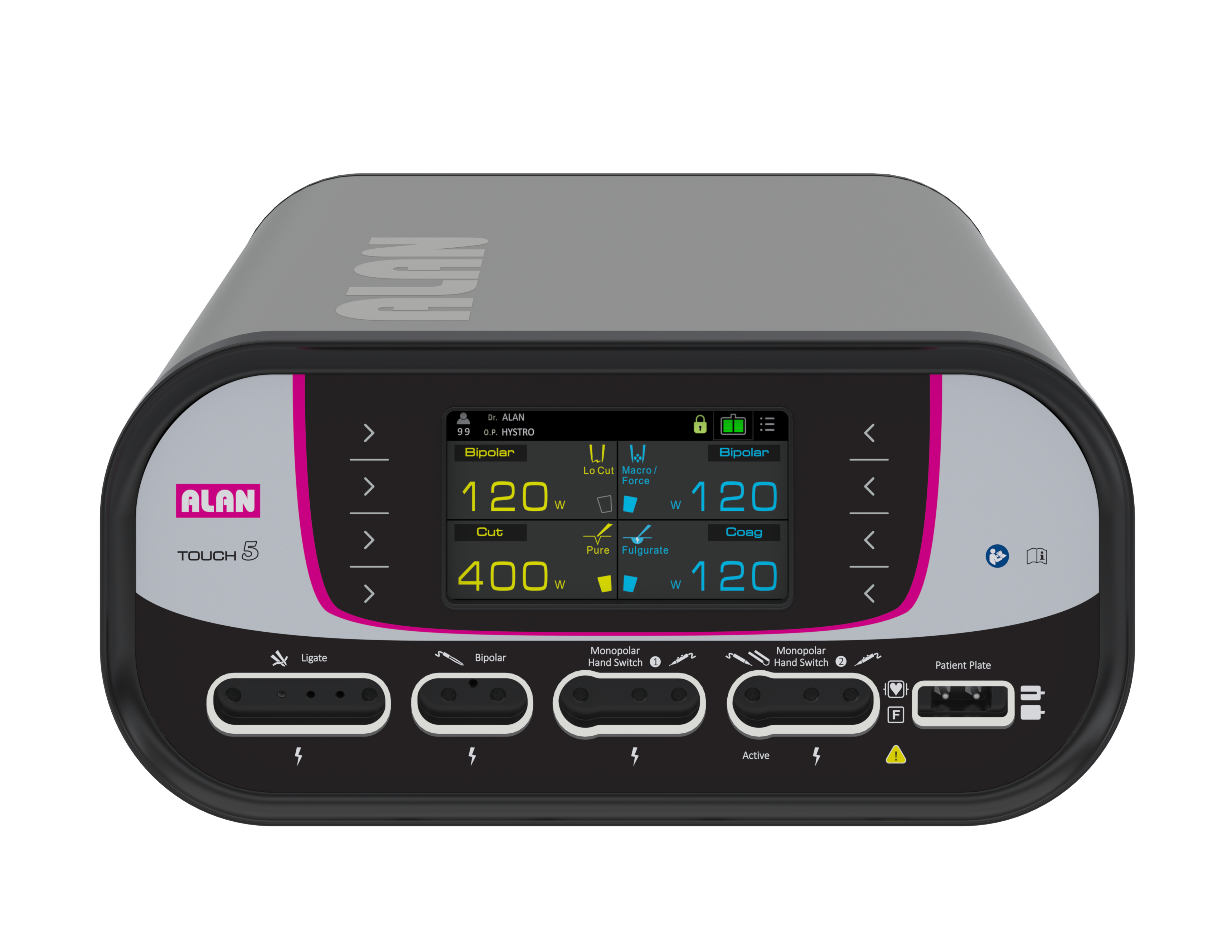
Electrosurgical generators deliver high-frequency electrical energy through compatible surgical instruments to produce tissue effects such as cutting and coagulation.
These systems may support monopolar, bipolar, or other modes depending on their design and configuration.
Electrosurgical generators are used in laparoscopic procedures when the equipment, instruments, and clinical application are appropriate.
Benefits of Laparoscopic Equipment in Modern Surgical Settings
Minimally invasive surgical approaches may offer several benefits compared with selected open surgical procedures, depending on the procedure, patient condition, and clinical circumstances.
Smaller Surgical Incisions
Laparoscopic procedures generally involve smaller incisions for instrument and camera access compared with conventional open approaches.
The incision size and number depend on the procedure and surgical technique.
Enhanced Visualization
Laparoscopic camera systems provide magnified visualization of internal structures on a display monitor, allowing the surgical team to view the operating area without a large surgical opening.
The quality of visualization depends on the camera, telescope, light source, display, and operating conditions.
Support for Minimally Invasive Techniques
Specialised instruments allow surgeons to perform a range of surgical tasks through laparoscopic access points.
Equipment selection depends on the surgical specialty, procedural requirements, and the instruments required by the surgeon.
Integration of Surgical Technology
Modern laparoscopic setups may integrate cameras, light sources, insufflators, electrosurgical generators, monitors, and surgical instruments.
Compatibility and appropriate system configuration are important when planning a new laparoscopic operating theatre or upgrading an existing setup.
How to Choose Laparoscopic Instruments for Hospitals
Healthcare institutions purchasing laparoscopic instruments should evaluate equipment based on functionality, quality, compatibility, and long-term usability.
1. Identify the Required Instrument Categories
Determine the instruments required for the surgical procedures performed at your facility.
This may include graspers, scissors, dissecting instruments, needle holders, trocars, telescopes, camera systems, and other specialised equipment.
2. Evaluate Instrument Quality and Material
Review the construction, material specifications, finish, design, and intended durability of the instruments.
For reusable instruments, hospitals should also consider cleaning, disinfection, sterilization, and maintenance requirements according to the manufacturer’s instructions.
3. Check Compatibility
Confirm compatibility between instruments, access devices, telescopes, camera systems, light sources, and other equipment where applicable.
Compatibility should be verified using the manufacturer’s documentation before procurement.
4. Consider Ergonomics and Handling
Instrument handling is an important consideration for surgical teams.
Evaluate grip design, movement, shaft length, jaw configuration, rotation, and ease of use according to the intended application.
5. Review Technical Support and Service
When purchasing specialised surgical equipment, hospitals should understand the supplier’s support arrangements, warranty terms, maintenance requirements, and availability of accessories or replacement components.
Reliable technical support can be an important factor when planning the long-term use of laparoscopic equipment.
Laparoscopic Instruments Suppliers in Hyderabad
Hospitals and surgical centres searching for laparoscopic instruments suppliers in Hyderabad should consider suppliers with relevant product categories, technical knowledge, and suitable support arrangements.
Before selecting a supplier, healthcare facilities may review:
- Product range and availability.
- Instrument specifications.
- Compatibility with existing surgical equipment.
- Product documentation and applicable certifications.
- Warranty and service conditions.
- Pricing and procurement options.
- Technical assistance and maintenance support.
A supplier offering relevant laparoscopic equipment categories can help healthcare institutions evaluate available products according to their requirements.
Laparoscopic Equipment from Biocare Medical Systems
Biocare Medical Systems, based in Hyderabad, Telangana, offers medical and surgical equipment for healthcare institutions.
Its product portfolio includes equipment categories associated with laparoscopic and minimally invasive surgical environments, such as CO₂ insufflators, LED light sources, camera-related systems, laparoscopic instruments, and electrosurgical equipment.
Healthcare facilities evaluating laparoscopic equipment can explore the available product range and review the technical information relevant to their requirements.
When planning a laparoscopic equipment setup, hospitals should consider the compatibility of instruments, camera systems, light sources, insufflators, monitors, and electrosurgical generators.
Biocare Medical Systems provides medical equipment solutions for hospitals and healthcare professionals seeking equipment for modern surgical environments.
Frequently Asked Questions
Conclusion
Laparoscopic instruments and supporting medical equipment play an important role in minimally invasive surgical procedures. From graspers and scissors to camera systems, LED light sources, CO₂ insufflators, and electrosurgical generators, each component serves a specific function within the surgical setup.
For hospitals looking for laparoscopic instruments in Hyderabad, choosing suitable equipment requires careful consideration of product quality, compatibility, technical specifications, intended applications, and supplier support.
Biocare Medical Systems offers medical and surgical equipment for healthcare institutions evaluating laparoscopic and advanced surgical technology.
Contact Biocare Medical Systems to enquire about laparoscopic instruments, surgical equipment, product specifications, and equipment requirements for your hospital or surgical centre.