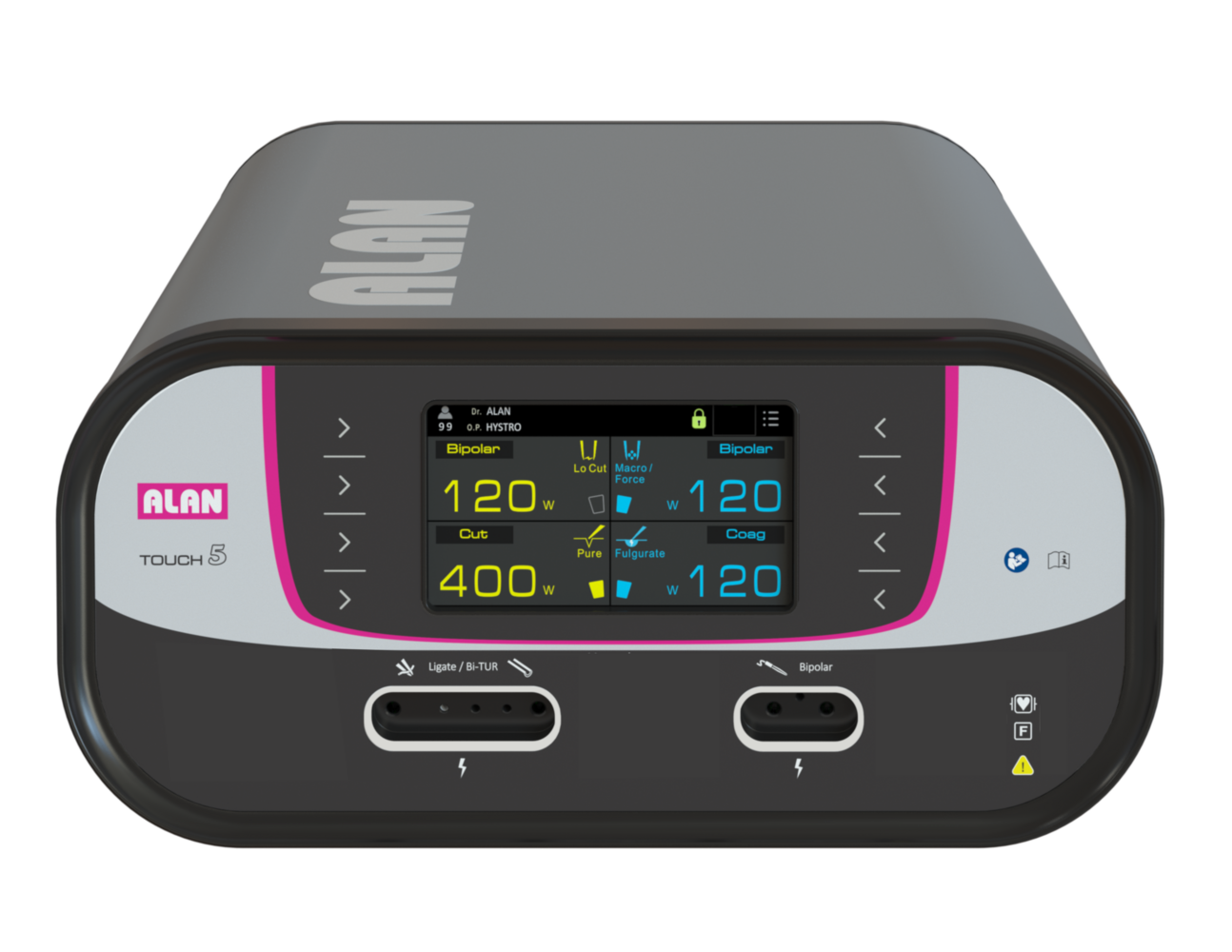
Vessel Sealing Systems in Hyderabad: Features, Applications and Buying Guide
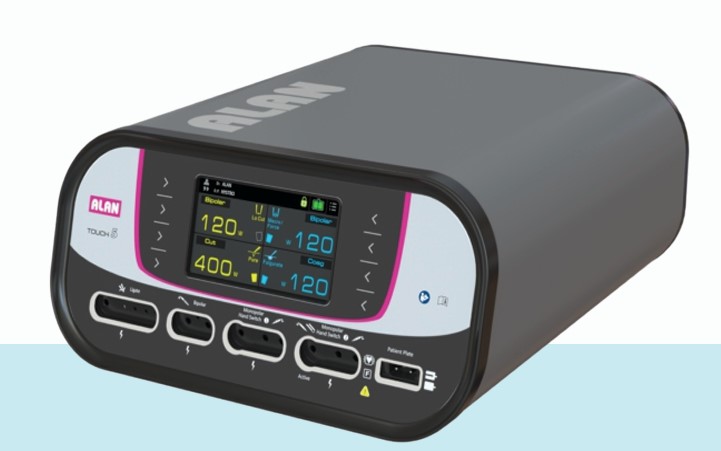
Vessel sealing systems are advanced surgical devices designed to seal blood vessels and selected tissue structures during surgical procedures. These systems use controlled energy delivery and specialised instruments to support vessel sealing in appropriate surgical applications.
Hospitals and surgical centres looking for vessel sealing systems in Hyderabad often evaluate equipment based on sealing technology, energy control, instrument compatibility, operating modes, safety features, and technical support.
With advancements in surgical energy technology, vessel sealing devices have become an important equipment category for healthcare facilities performing procedures that require specialised tissue sealing capabilities.
What Is a Vessel Sealing System?
A vessel sealing system is a specialised surgical device that uses energy delivered through compatible instruments to seal blood vessels and selected tissue structures.
These systems are designed to apply controlled energy to tissue held between instrument jaws. Depending on the system’s technology, the energy and pressure applied through the instrument are intended to create a seal in the targeted tissue.
Vessel sealing equipment may be used in different surgical specialties depending on the device’s specifications, intended use, compatible instruments, and clinical requirements.
Hospitals should always review the manufacturer’s instructions and intended-use information before selecting or using a vessel sealing system.
How Does Vessel Sealing Technology Work?
Vessel sealing technology generally combines electrical energy and mechanical pressure through specially designed surgical instruments.
The instrument jaws hold the targeted tissue, while the generator delivers controlled energy according to the device’s operating characteristics. This process affects the tissue held between the jaws to produce the intended sealing effect.
The performance of a vessel sealing system depends on several factors, including:
- Energy delivery technology.
- Instrument jaw design.
- Tissue characteristics.
- Generator performance.
- Device-specific operating parameters.
- Intended surgical application.
Different systems may use different energy technologies, control mechanisms, and instrument designs. Hospitals should evaluate these differences when comparing equipment.
Key Features of Vessel Sealing Systems
When evaluating vessel sealing systems for hospital use, healthcare professionals should consider several important features.
1. Controlled Energy Delivery
Energy control is a fundamental component of vessel sealing technology.
The generator and compatible instrument are designed to deliver energy according to the system’s operating parameters and intended application.
Hospitals should review the available energy modes, operating characteristics, controls, and manufacturer specifications before selecting a device.
2. Instrument Jaw Design
The design of the instrument jaws influences how tissue is held during the sealing process.
Different instruments may have different jaw lengths, shapes, sizes, and handling characteristics.
When evaluating a vessel sealing instrument, consider:
- Jaw configuration.
- Instrument length.
- Grip and handling.
- Intended applications.
- Compatibility with the generator.
- Cleaning and sterilization requirements, where applicable.
3. Generator Performance
The generator is responsible for delivering the energy required by the compatible sealing instrument.
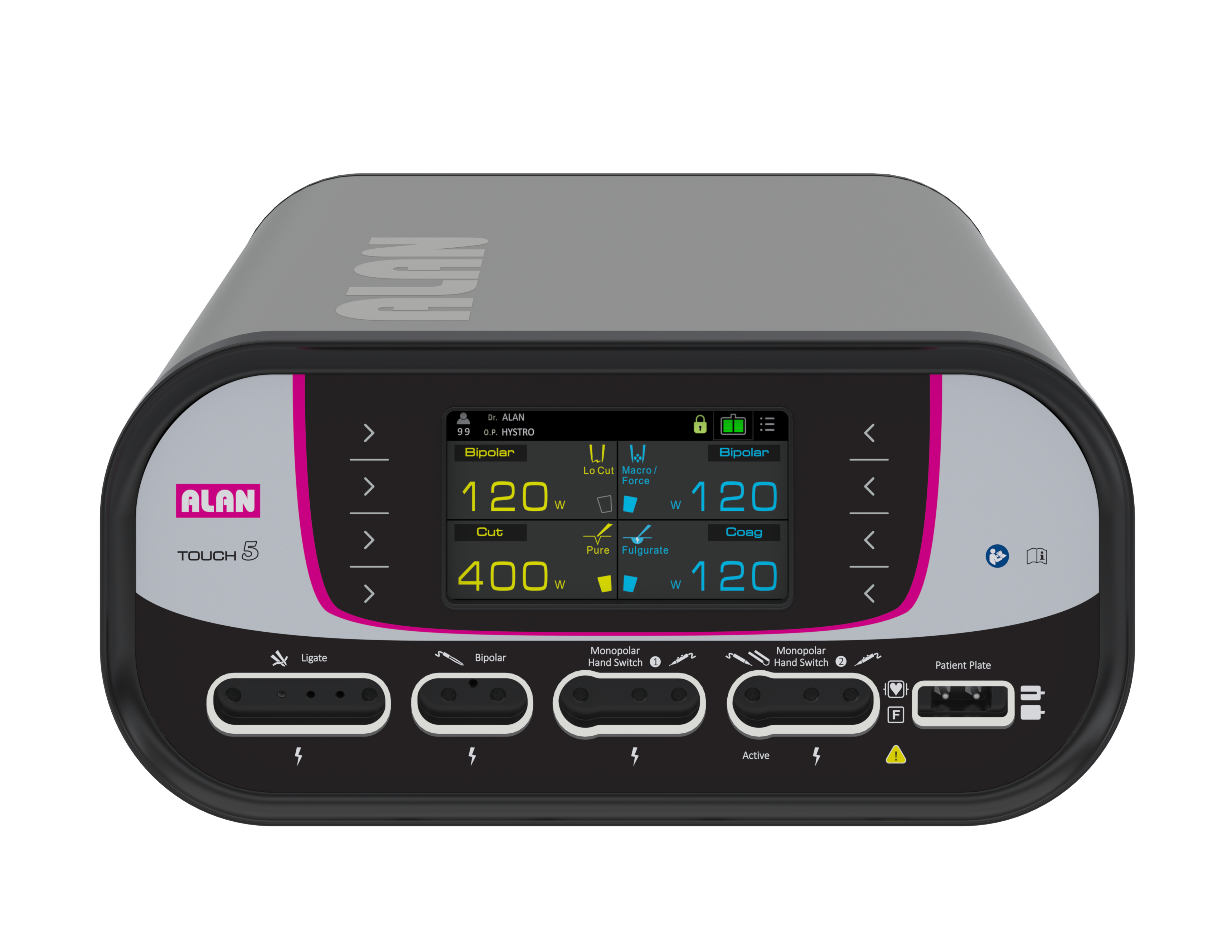
Depending on the model, systems may include different power capabilities, energy control technologies, displays, operating modes, and user interface functions.
Hospitals should review the technical specifications to determine whether the system meets their intended requirements.
4. User Interface and Controls
The user interface should provide access to the system’s operating functions and relevant information.
Healthcare facilities may evaluate display readability, control accessibility, activation methods, operating indicators, alarms, and ease of use.
A clear control interface can support equipment familiarity and operating workflow when used according to the manufacturer’s instructions.
5. Safety and Monitoring Features
Safety features are an important part of medical equipment evaluation.
Depending on the model, vessel sealing systems may incorporate monitoring functions, alarms, output control mechanisms, or other features designed to support safe equipment operation.
Hospitals should review the specific safety functions, technical documentation, training requirements, and applicable regulatory information associated with the equipment.
Applications of Vessel Sealing Systems in Surgical Procedures
Vessel sealing systems may be used in various surgical applications depending on the device’s intended use, compatible instruments, and clinical requirements.
General Surgery
Vessel sealing technology may be used in selected general surgical procedures where appropriate vessel sealing capabilities are required.
Equipment selection should be based on the procedure, tissue characteristics, device specifications, and surgeon requirements.
Laparoscopic Surgery
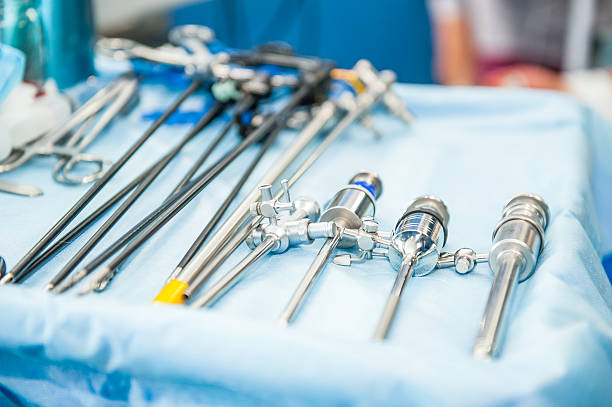
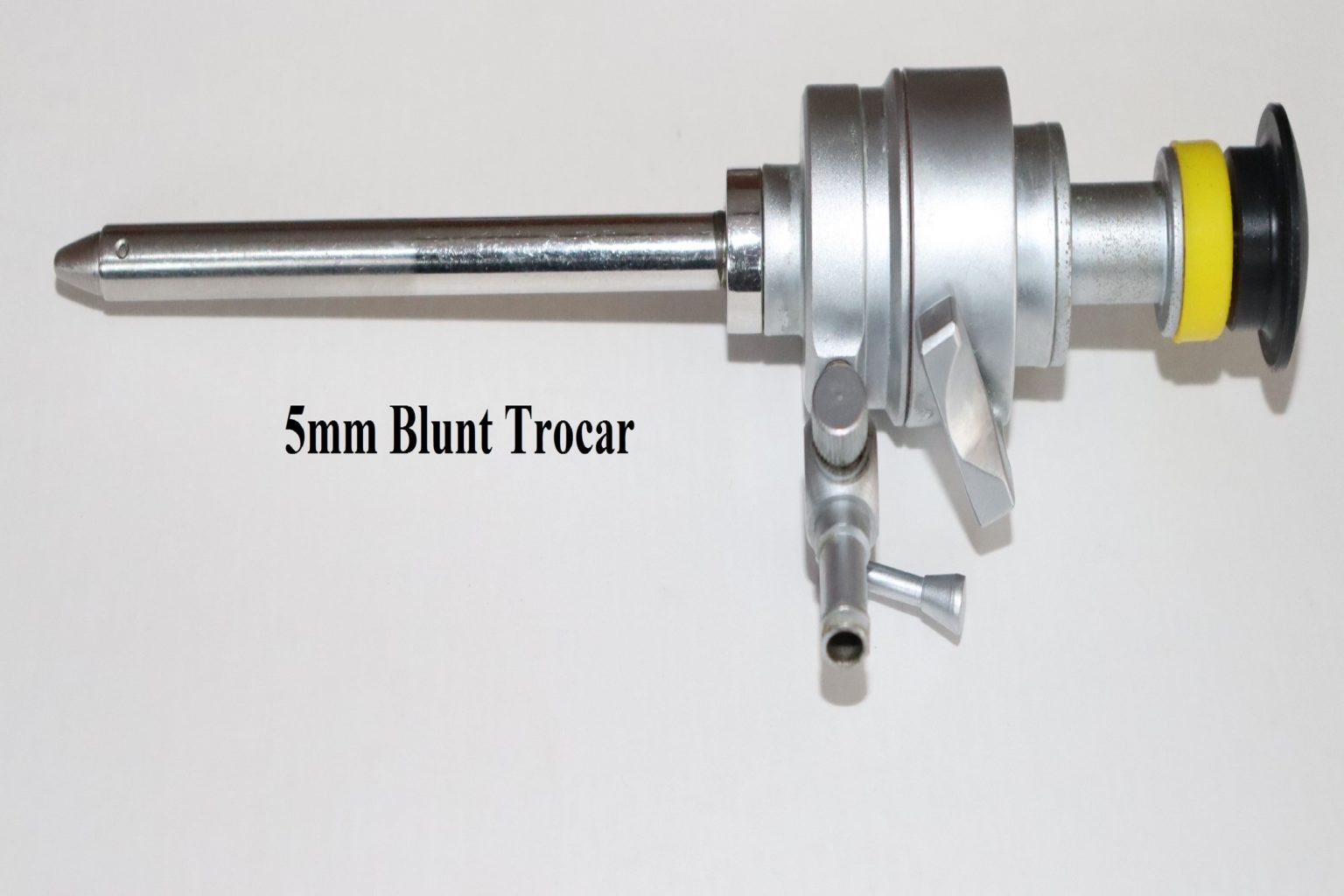
Specialised vessel sealing instruments may be used in minimally invasive procedures when the system is compatible with the laparoscopic setup.
Instrument length, shaft design, jaw configuration, generator compatibility, and handling characteristics are important considerations for laparoscopic applications.
Gynaecological Surgery
Certain vessel sealing systems may be used in selected gynaecological procedures depending on the device’s intended use and the surgical technique.
Healthcare professionals should select equipment according to the procedure and manufacturer guidance.
Other Surgical Specialties
Depending on the system and its indications, vessel sealing technology may also be relevant to other surgical specialties.
The suitability of a specific device must be evaluated using its intended-use documentation, technical specifications, and the clinical requirements of the surgical team.
Vessel Sealing Systems vs. Conventional Electrosurgical Equipment
Vessel sealing systems and conventional electrosurgical generators both use energy-based technologies, but they may differ in their intended functions, instrument design, energy delivery characteristics, and tissue effects.
| Feature | Vessel Sealing System | Conventional Electrosurgical Generator |
|---|
| Primary function | Sealing vessels and selected tissue structures | Cutting and coagulation, depending on configuration |
| Instrument design | Specialised sealing instruments | Various electrodes and electrosurgical accessories |
| Energy delivery | Device-specific sealing technology | Different modes and output characteristics |
| Instrument compatibility | Designed for compatible sealing instruments | Compatible monopolar and/or bipolar instruments |
| Applications | Selected vessel sealing procedures | Various electrosurgical procedures |
| Selection criteria | Sealing requirements, instruments, specifications | Output modes, power, accessories, and surgical requirements |
Hospitals should not assume that conventional electrosurgical equipment can perform the same functions as a dedicated vessel sealing system. The equipment should be selected based on its specified capabilities and intended applications.
How to Choose a Vessel Sealing System for Your Hospital
Selecting a suitable vessel sealing system requires an evaluation of clinical needs, equipment specifications, compatibility, and long-term operational considerations.
1. Understand Your Surgical Requirements
Start by identifying the procedures performed at your hospital and the vessel sealing capabilities required by your surgical team.
Consider the surgical specialty, procedure types, equipment configuration, and intended applications before comparing available systems.
2. Evaluate the System Specifications
Review the technical specifications provided by the manufacturer, including energy technology, operating modes, output characteristics, instrument compatibility, and available functions.
Compare different systems based on their documented capabilities rather than product descriptions alone.
3. Check Instrument Compatibility
Vessel sealing generators generally require compatible instruments designed for the specific system.
Before purchasing, confirm the availability of appropriate instruments, their configurations, intended uses, and compatibility with the generator.
4. Review Safety Features
Evaluate the equipment’s safety and monitoring functions, alarms, operating controls, and applicable product documentation.
Healthcare professionals should receive the required training and follow the manufacturer’s operating instructions.
5. Consider Maintenance and Service Support
Before finalising a purchase, understand the equipment’s warranty, maintenance recommendations, servicing requirements, and availability of technical support.
These considerations are particularly important for hospitals planning to use specialised surgical equipment as part of their operating theatre setup.
6. Compare Total Equipment Cost
The purchase price should be considered alongside compatible instruments, accessories, installation requirements, maintenance, training, warranty, and other associated costs.
A complete cost comparison helps healthcare facilities evaluate equipment based on long-term value.
Vessel Sealing Systems in Hyderabad: What Hospitals Should Consider
Healthcare institutions searching for vessel sealing systems in Hyderabad should look for medical equipment suppliers that provide relevant technical information, product documentation, and support arrangements.
When evaluating suppliers, consider:
- Product availability and specifications.
- Intended use and applicable documentation.
- Compatible sealing instruments.
- Equipment installation requirements.
- Warranty and service conditions.
- Technical assistance and user training.
- Procurement cost and long-term maintenance.
Working with an equipment supplier who can provide clear product information can help hospitals assess their options more effectively.
Advanced Surgical Energy Solutions from Biocare Medical Systems
Biocare Medical Systems, based in Hyderabad, Telangana, offers medical equipment and surgical technology solutions for healthcare institutions.
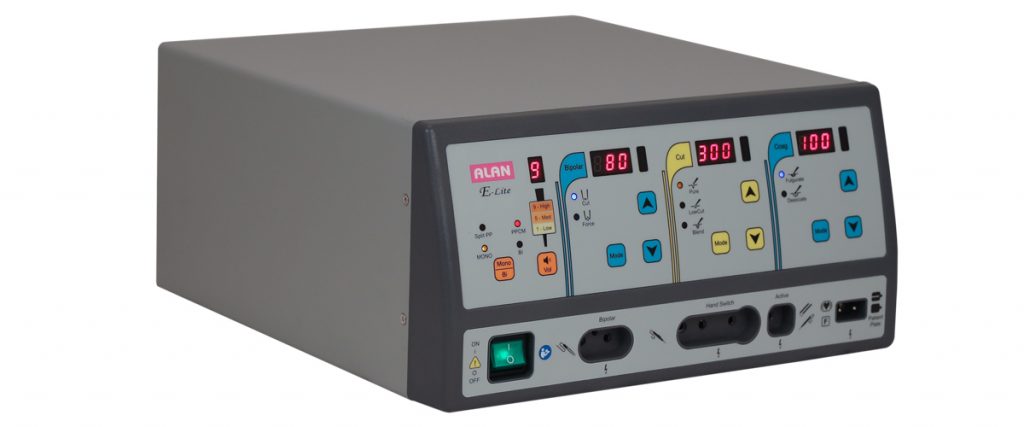
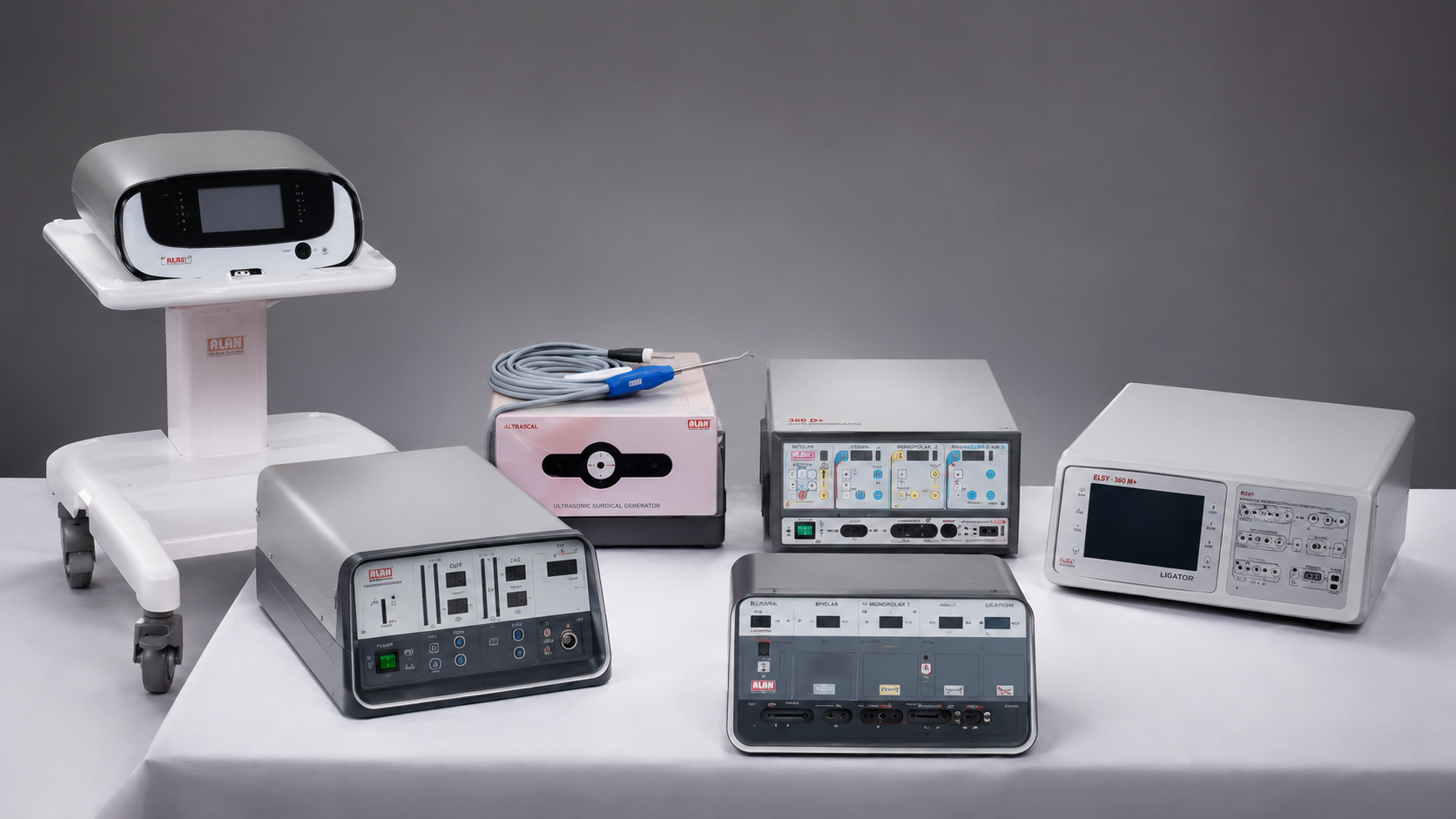
Its product portfolio includes electrosurgical generators and surgical equipment designed for different operating requirements.
Healthcare facilities evaluating advanced surgical energy equipment can explore the available product categories, review technical specifications, and enquire about the systems relevant to their requirements.
When selecting surgical energy equipment, hospitals should consider the intended application, compatible instruments, equipment configuration, technical specifications, and applicable manufacturer documentation.
Biocare Medical Systems supports medical equipment enquiries from healthcare facilities looking to evaluate surgical equipment options in Hyderabad.
Frequently Asked Questions
Conclusion
Vessel sealing systems are specialised surgical devices designed to support vessel sealing through controlled energy delivery and compatible instruments. Their selection requires careful consideration of equipment technology, instrument design, intended applications, safety features, and operating requirements.
For hospitals searching for vessel sealing systems in Hyderabad, evaluating product specifications, instrument compatibility, documentation, and technical support is an important part of the procurement process.
Biocare Medical Systems offers medical and surgical equipment for healthcare institutions evaluating advanced surgical technology.
Contact Biocare Medical Systems to enquire about available surgical equipment, technical specifications, and solutions for your hospital or surgical centre.